
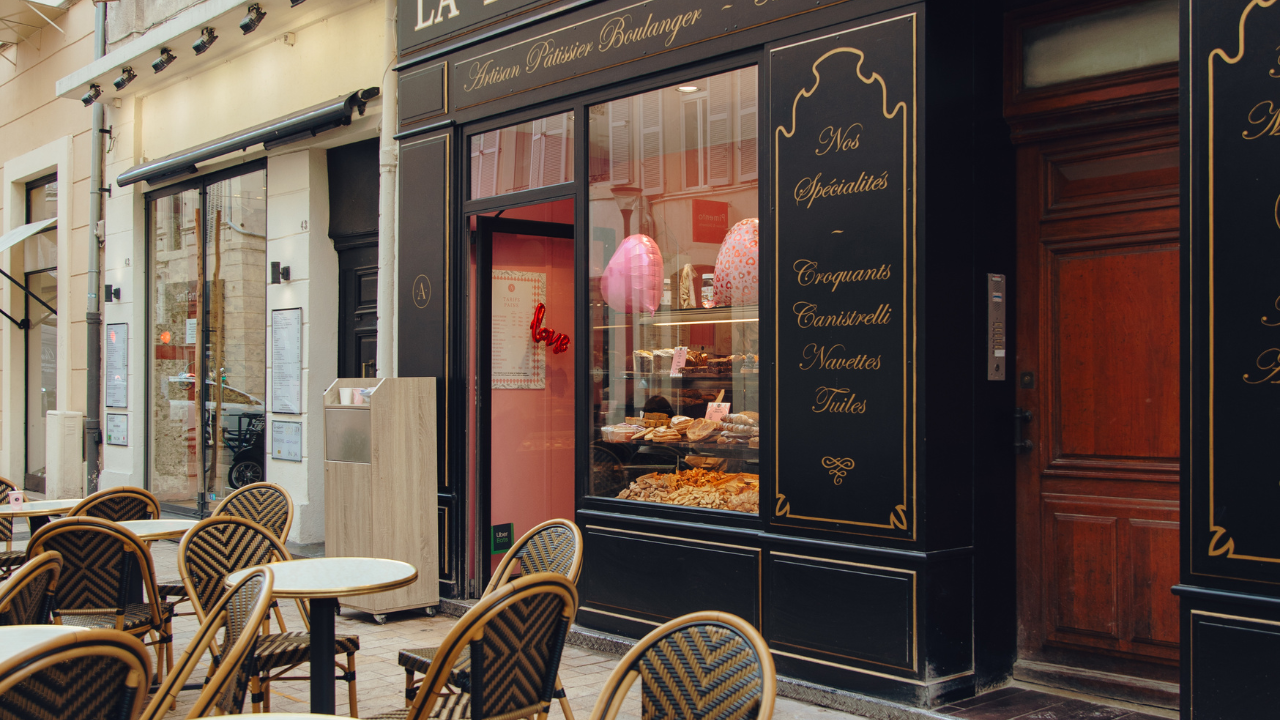
Food is more than nourishment — it’s elegant food experiences, a connection to culture, beauty, and the small luxuries that elevate everyday life.
When you travel or experience global cuisine, you’re not just tasting a dish. You’re stepping into history, tradition, artistry, and the rituals that give each culture its soul.
Exploring elegant food experiences around the world is one of the simplest ways to bring more beauty, adventure, and meaning into your life — even if you’re not traveling yet. These aren’t just meals; they’re memories, sensory journeys, and invitations to slow down and savor the world.
Below are some of the most iconic and refined culinary experiences every person should try at least once.
Where Culture Meets Culinary Art
Experiences That Stay With You
1. Parisian Patisseries — The Art of French Pastry
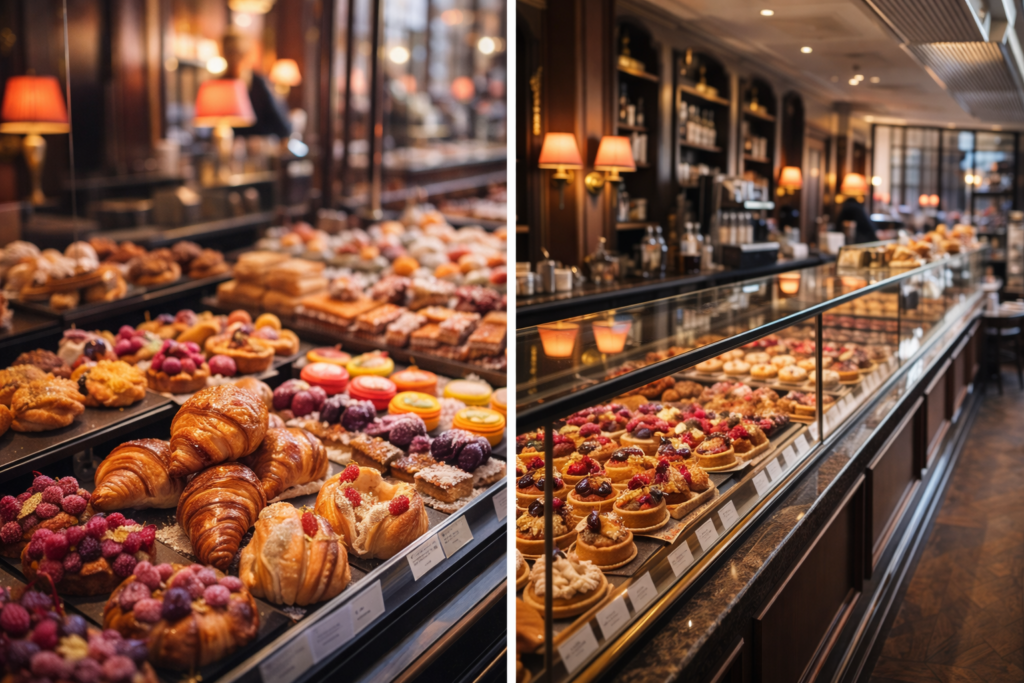
There is nothing quite like walking into a Parisian patisserie: the shine of the glass cases, the delicate layers of mille-feuille, the perfect rise of a croissant, the pastel elegance of macarons.
Why it’s an elegant experience:
- It teaches patience, craftsmanship, and beauty
- You taste the artistry of generations
- It’s a sensory moment — crisp, soft, warm, buttery
- It inspires you to bring small luxuries into your daily life
Even if you’re not in Paris, you can recreate the ritual — a beautiful pastry, good coffee, and a moment of slow indulgence.
2. Japanese Omakase — Trust the Chef, Trust the Moment
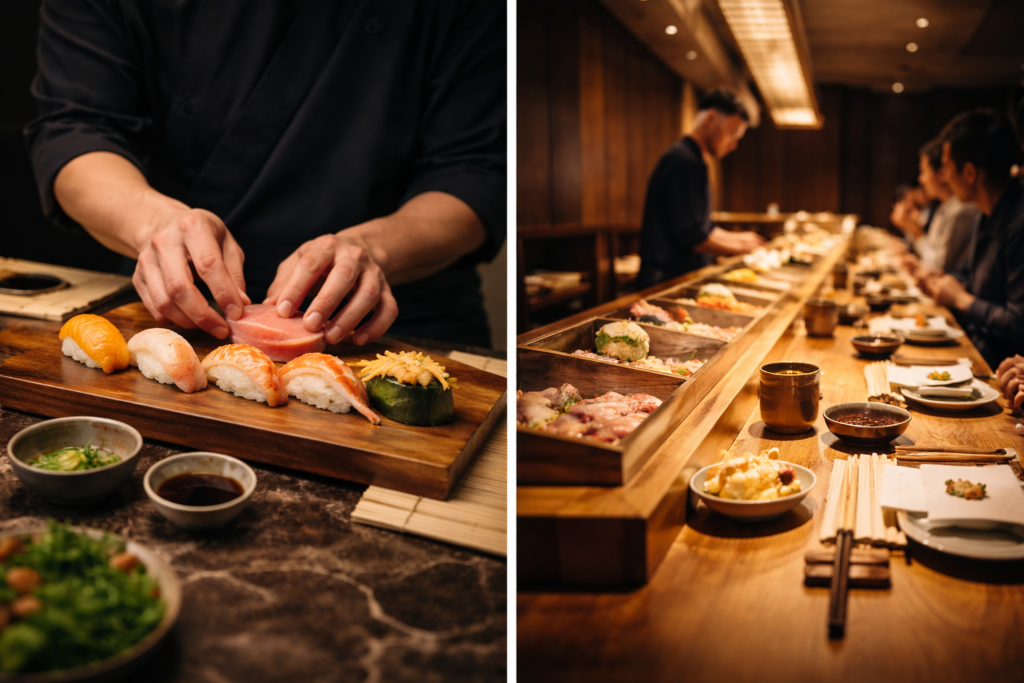
“Omakase” means “I leave it up to you,” and it’s one of the most intimate culinary experiences in the world.
A skilled sushi chef creates each piece in front of you, choosing flavors and textures designed specifically for that moment.
Why it’s elegant:
- It’s slow, intentional, and artistic
- You surrender control and receive an experience crafted just for you
- It reflects respect, ceremony, and presence
It’s food as meditation.
3. Italian Coastal Dining — Fresh Seafood With a View
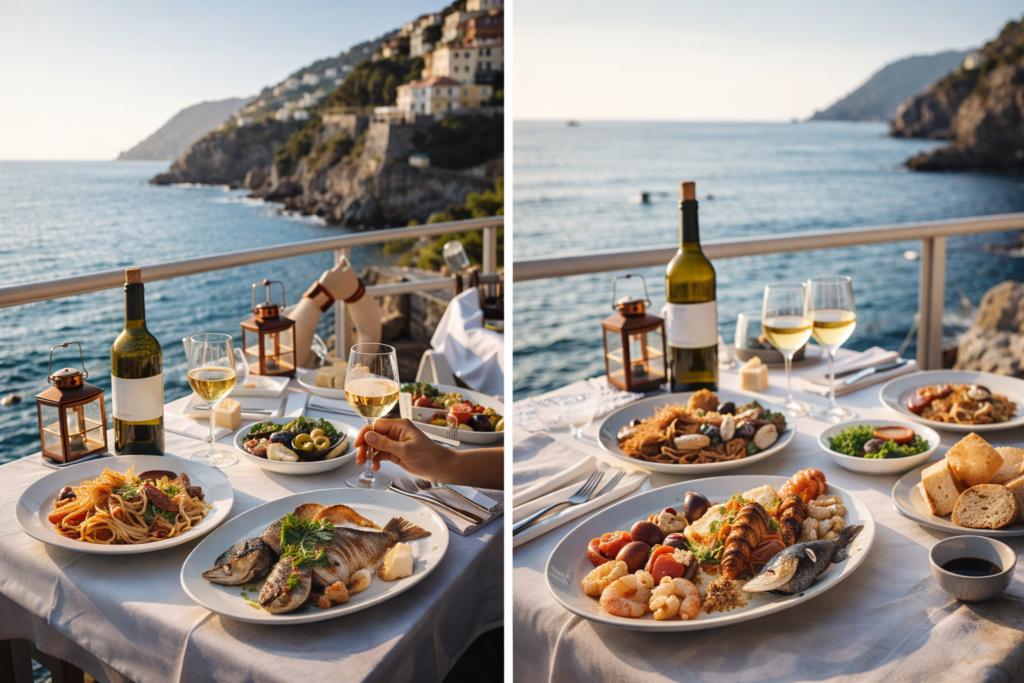
Think: a table overlooking the water, salty air, fresh pasta, olive oil, chilled white wine, and seafood caught that morning.
Why it’s elegant:
- Italy celebrates simplicity, quality, and pleasure
- Meals are long, expressive, and filled with laughter
- The setting alone feels like a movie
This is the kind of dining experience that stays with you forever, reminding you that food is meant to be enjoyed, not rushed.
4. Moroccan Mint Tea Ritual — Sweet, Warm, and Full of Ceremony
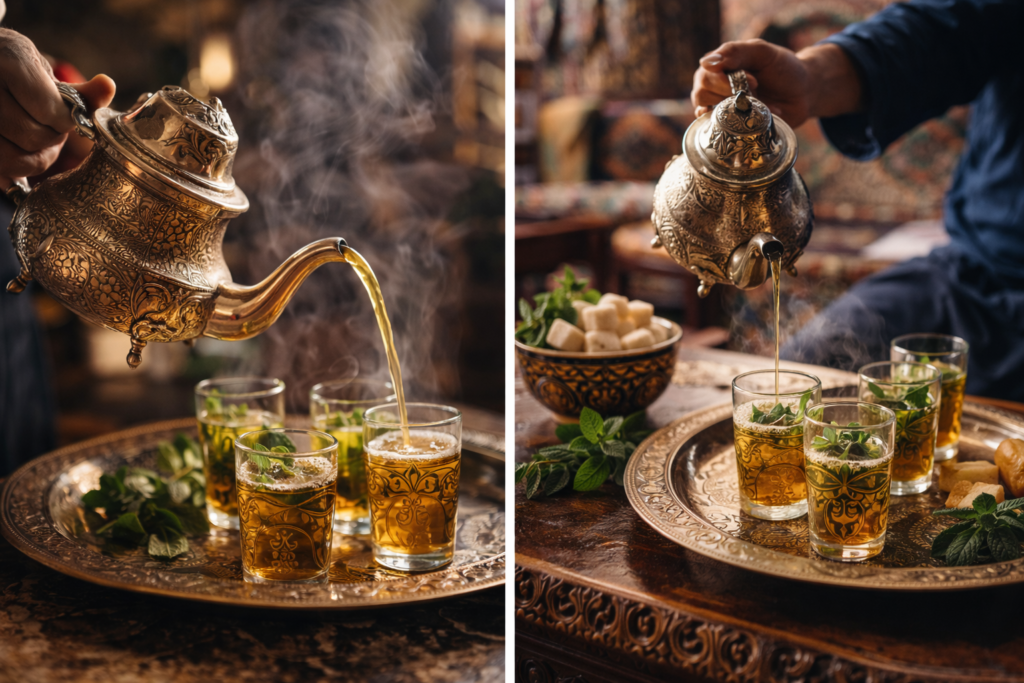
Moroccan mint tea isn’t just a drink — it’s a gesture of hospitality and warmth.
Served in ornate silver pots and poured from high above, it’s a performance of beauty.
Why it’s elegant:
- It’s ritualistic and comforting
- The pouring technique is graceful and symbolic
- The aromas of mint, sugar, and tea create a sensory escape
It teaches you that even a simple drink can be elevated into an experience.
5. Viennese Coffee Houses — A Literary, Timeless Escape
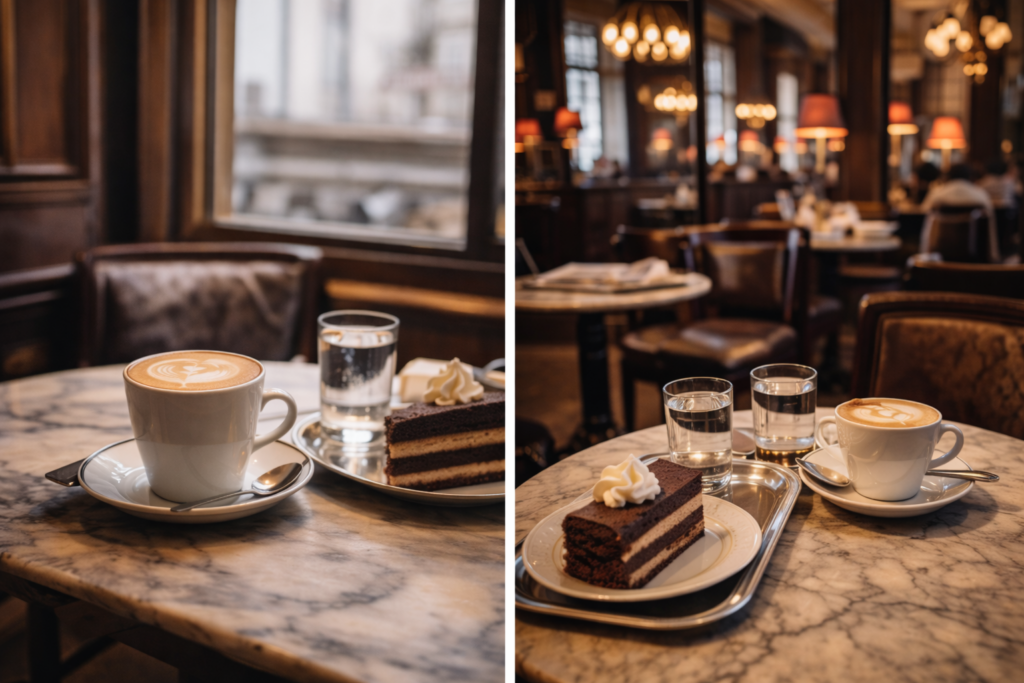
Vienna’s historic cafés are quiet, romantic escapes where time slows down and creativity awakens.
Why it’s elegant:
- They’re designed for reflection and meaningful conversation
- The pastries and coffee are works of art
- They invite you to pause, think, and be inspired
This is elegance in its purest form: slow living, beauty, and conversation.
Final Reflection
Let Food Become a Beautiful Part of Your Life
Each of these experiences reveals something timeless: food is not just sustenance — it’s an expression of culture, emotion, elegance, and connection. You don’t need to travel the world to feel this.
You can bring these rituals into your home:
- set a beautiful table
- savor a pastry slowly
- pour tea with intention
- cook with love
- create moments worth remembering
Elegance begins in the small details — and your culinary adventures can be one of the most beautiful ways to elevate your daily life.
With pleasure,









Leave a Reply